
As the holiday season approaches and public spaces become crowded, the risk of personal injuries, like slip and fall accidents, often increases. This article aims to shed light on a vital aspect of personal injury law: premises liability.
What Is Premises Liability?
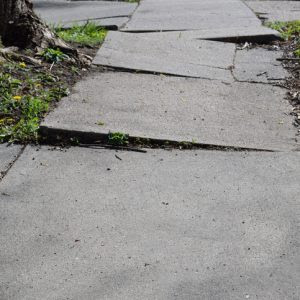
Premises liability is a legal concept that holds property owners and occupiers accountable for accidents and injuries that occur on their property. If you’ve slipped on a wet floor at a store, tripped over an uneven sidewalk, or been injured in another way due to hazardous conditions, you could have a valid premises liability claim.
Key Elements of a Premises Liability Case
To win a premises liability case, you generally must prove the following:
- Duty of Care: The property owner had a duty to maintain a safe environment.
- Breach of Duty: The property owner failed to uphold this duty by allowing hazardous conditions.
- Causation: This breach of duty directly led to your injury.
- Damages: You incurred financial, physical, or emotional harm because of the injury.
Common Types of Premises Liability Cases
- Slip and Fall: Perhaps the most common type, this involves injuries sustained when someone slips, trips, or falls due to unsafe conditions like wet floors or uneven surfaces.
- Negligent Security: Inadequate security can result in criminal activity that causes harm to visitors, such as assaults or thefts.
- Animal Attacks: Property owners may be liable for injuries caused by their pets, particularly if the animal has a history of aggression.
Contributory Negligence and Comparative Fault
The doctrines of Contributory Negligence and Comparative Fault play a critical role in premises liability cases:
- Virginia: Virginia follows the doctrine of Contributory Negligence, which means if you’re even 1% at fault for your injuries, you may be barred from recovering any damages. Therefore, proving that your accident was through no fault of your own is crucial for a successful claim.
- Tennessee: Tennessee adopts a modified Comparative Fault system. You can recover damages if you are less than 50% at fault. However, your compensation will be reduced in proportion to your percentage of fault.
What to Do After an Injury
If you’ve been injured on someone else’s property, take these immediate steps:
- Seek Medical Attention: Prioritize your health above all else.
- Report the Incident: Notify the property owner or manager and obtain an incident report if available.
- Gather Evidence: Take photos of the scene, your injuries, and any other contributing factors.
- Get Witness Information: Collect the names and contact details of any witnesses.
- Consult a Legal Expert: Personal injury cases can be complex. Especially where issues of contributory negligence or comparative fault are involved. A specialized attorney can help you navigate the legal maze and maximize your compensation.
As we move through the busy season, awareness of your surroundings and understanding of premises liability law can be your best defense against unfortunate accidents. If you find yourself injured due to someone else’s negligence, remember you have rights, and legal avenues are available to help you seek compensation for your injuries.
Our firm specializes in personal injury law, and we’re here to offer you the expertise and support you need. Don’t let someone else’s negligence ruin your holidays—or your life. Reach out to us to understand your rights and secure the compensation you deserve.
Need help? Book a call at a time to suit you
For your convenience, confidential consultations can be scheduled via video call or in person in Kingsport, Tennessee.